


Managerial innovation, or how to innovate in a company through management
Let’s face the reality: customer needs and usage patterns are constantly evolving; new technologies flood the market every day; new competitors threaten the established system… not to mention the successive crises that are further destabilizing our environment.
Companies today must demonstrate flexibility, agility, speed, and creativity – in a word, innovation – in order to remain competitive and continue to grow. However, the sustainability and development of the company are no longer solely the responsibility of the management committee.
Experience has taught us that the best ideas often come from the field, from the employees themselves. The challenge for the company is therefore to foster innovation within its own ranks, and For management to achieve the goal of involving and motivating each employee so that they feel they are an active and driving force in the success of their company.
How can the manager foster innovation in his team?
If Google is often cited as a model for managing innovation, it is not without reason. The web giant, for example by instituting a portion of working time reserved for personal projects, has well understood that everything must be done to fostering creativity and innovation. Each company, in its own way, can draw inspiration from the good experiences that have proven their worth. We are giving you some key success factors to work towards a more sustainable future. Agile management at the service of managerial innovation.

Practical advice
Google's secrets for engaging your teams
1. Create an environment conducive to creativity and innovation
A redesigned work environment, comfortable spaces (despite the health restrictions), and spaces of creativity, Flexible working hours, teleworking… anything that can motivate and give employees time to create projects is an initiative conducive to innovation.
2. Infusing a culture of innovation
It is an exciting challenge that managers must meet: infusing an innovative mindset among often constrained employees Through social, educational, hierarchical constraints… By liberating their creativity, employees will be able to give their best and propose innovative initiatives to develop the company and satisfy customers.
3. Generate commitment through managerial innovation
To give meaning and enable his or her employees to achieve the set goals, the manager must foster autonomy, freedom, trust, and Allowing the right to make mistakes According to the principles of participatory management. Without the right to make mistakes, it is not possible to create commitment and to liberate oneself. the creativity of the employees.
4. Develop collaborative practices and internal sharing
In order for everyone to contribute their share to the building, the manager must foster internal exchanges, share skills, and develop new practices related to Collaborative working mode. The implementation of agile and open structures and easy-to-use collaborative tools will enable the creation of innovative projects in teams and in collaboration with the various departments of the company.
5. Listen to the client
No innovation without taking customer experience into account (UX or User Experience). This is the starting point and the heart of any business project! It is by identifying the client’s needs, the difficulties they encounter, and their suggestions for improvement that innovation projects can find their source of inspiration.
6. Be vigilant and anticipate market developments
The very essence of innovation is to be in perpetual motion. It is therefore necessary to remain constantly vigilant in order to keep up with the changes in the market, in usage patterns, in technologies, and even to anticipate them.
It is now urgent to fundamentally change the mindset, corporate culture and working methods to instill a spirit of innovation shared by all the company’s employees. Managers must realize that they are the key to this vital transformation for the company.
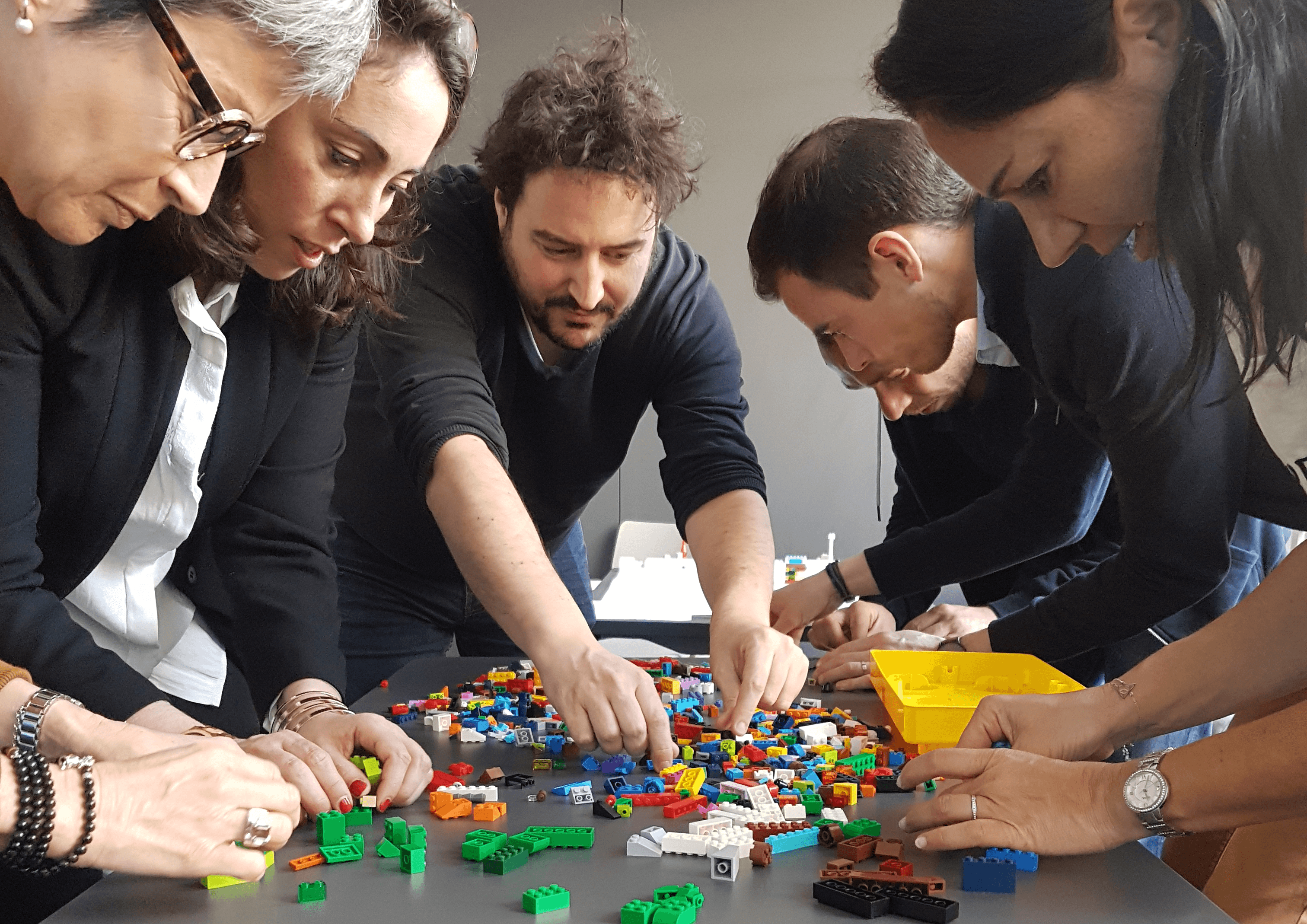
Agility and innovation training